The Ghana Football Association (GFA) has reaffirmed its commitment to building a stronger, more sustainable and commercially vibrant football ecosystem, as President Kurt Edwin Simeon-Okraku outlined an ambitious roadmap for the future of the game at the Football Association’s 32nd Congress.
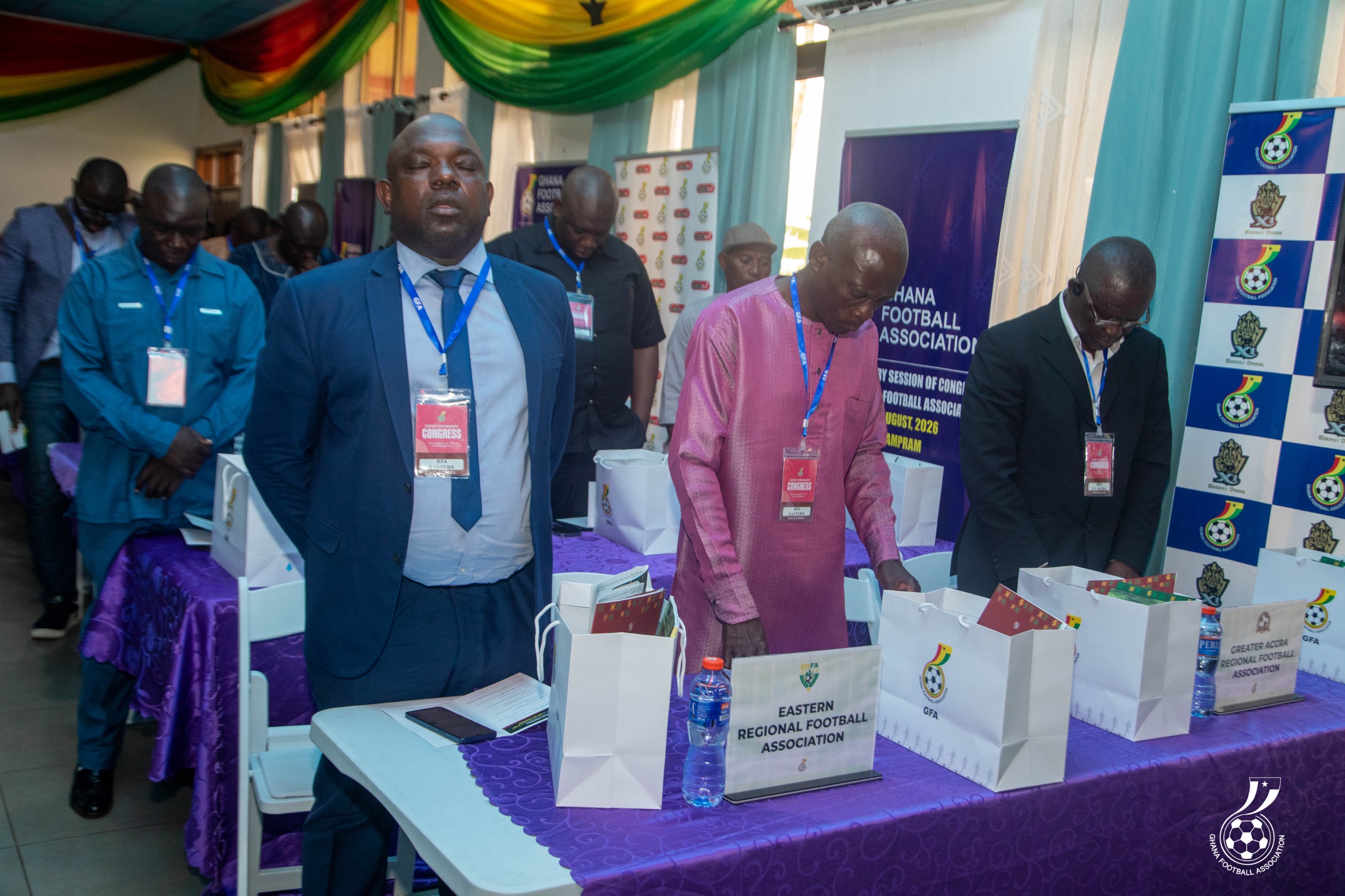
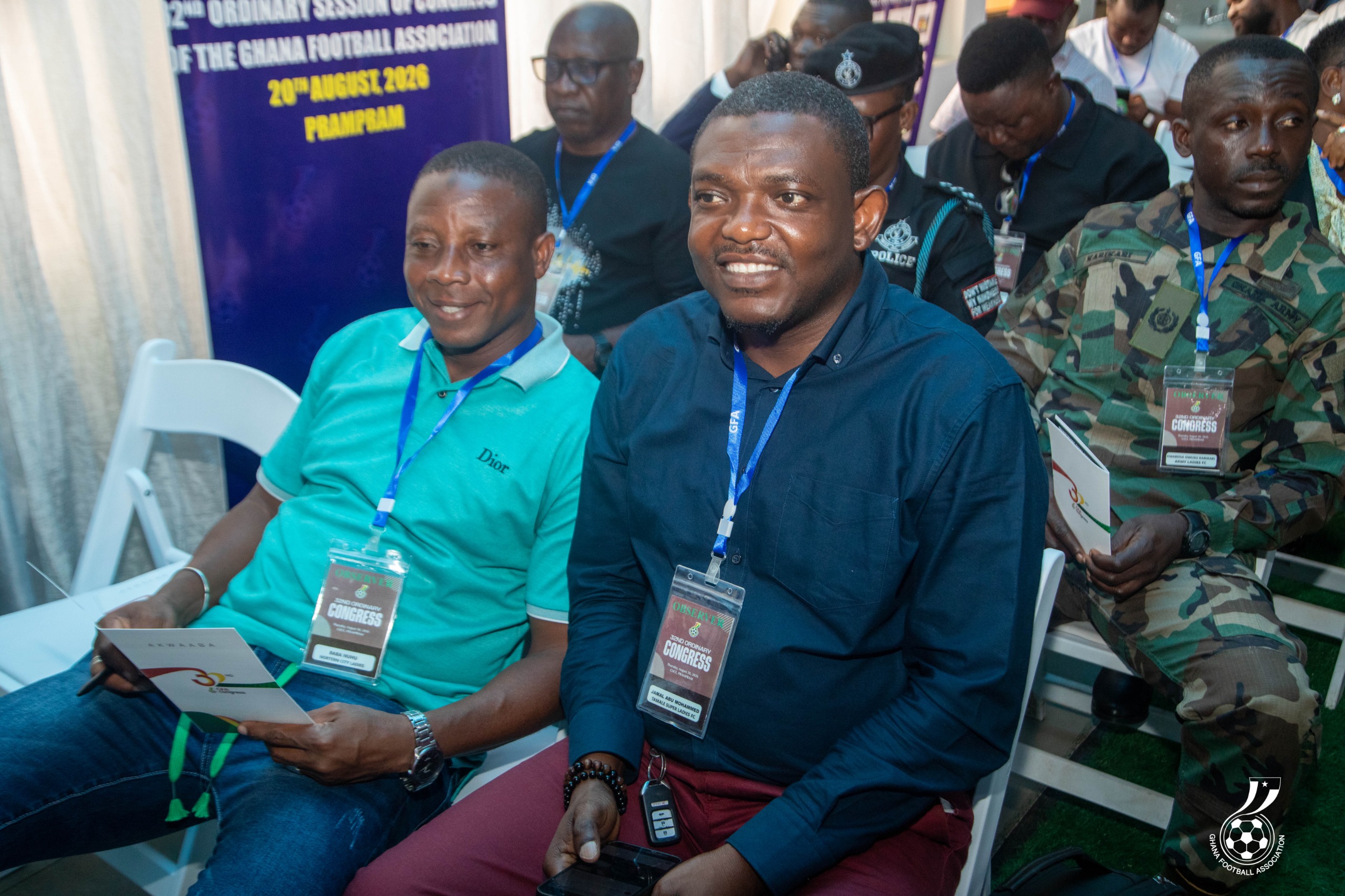
Held at the Ghanaman Soccer Centre of Excellence in Prampram on Thursday, August 20, 2026, the Congress brought together 124 delegates representing the key decision-makers and other stakeholders of Ghana football.
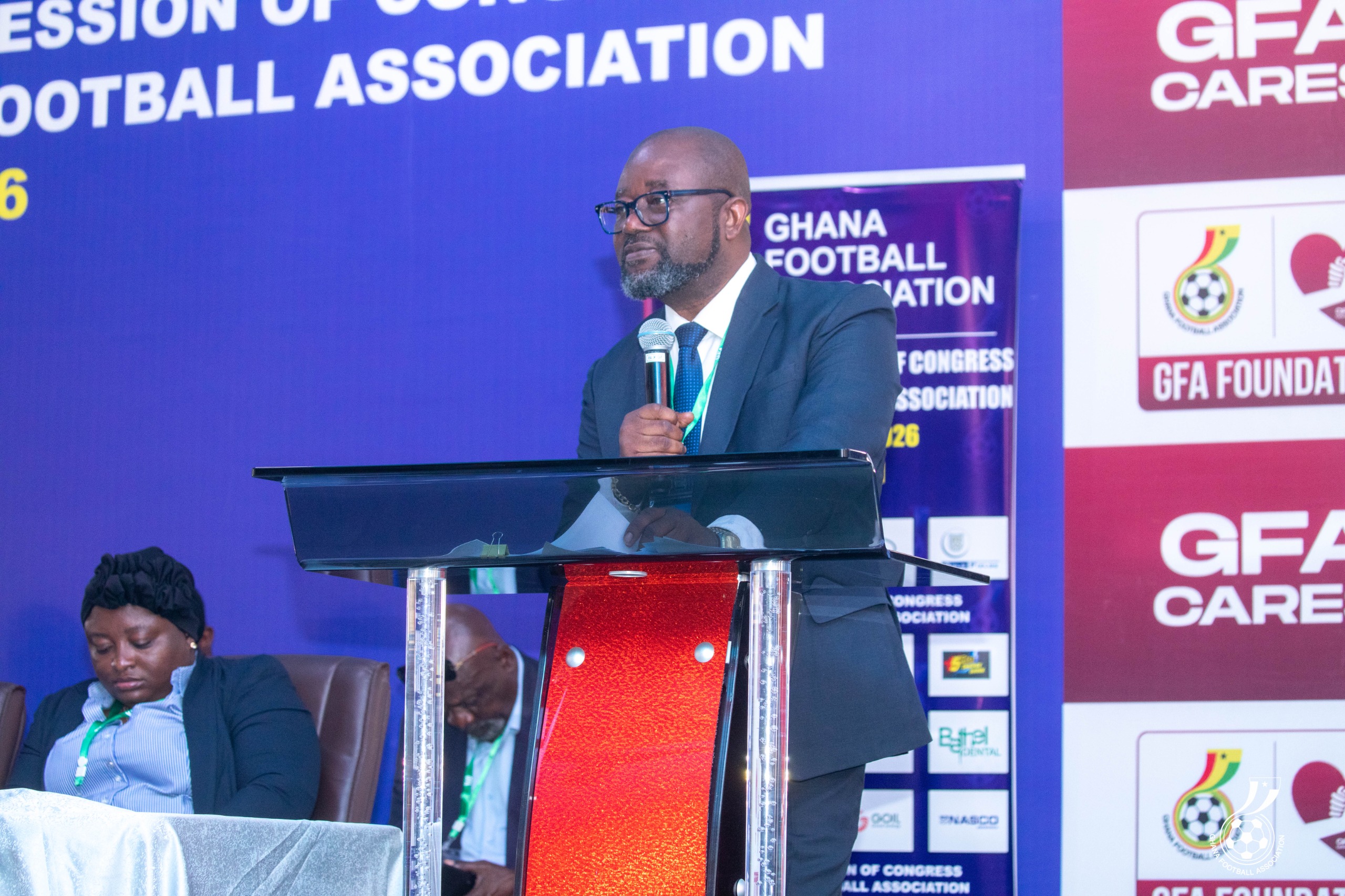
Speaking under the theme “Investing in Domestic Football for a Brighter Future,” President Simeon-Okraku delivered a wide-ranging address covering governance, domestic competitions, commercial investment, club development, player welfare, youth football, women's football, technology, infrastructure and the future global positioning of Ghana football amongst others.
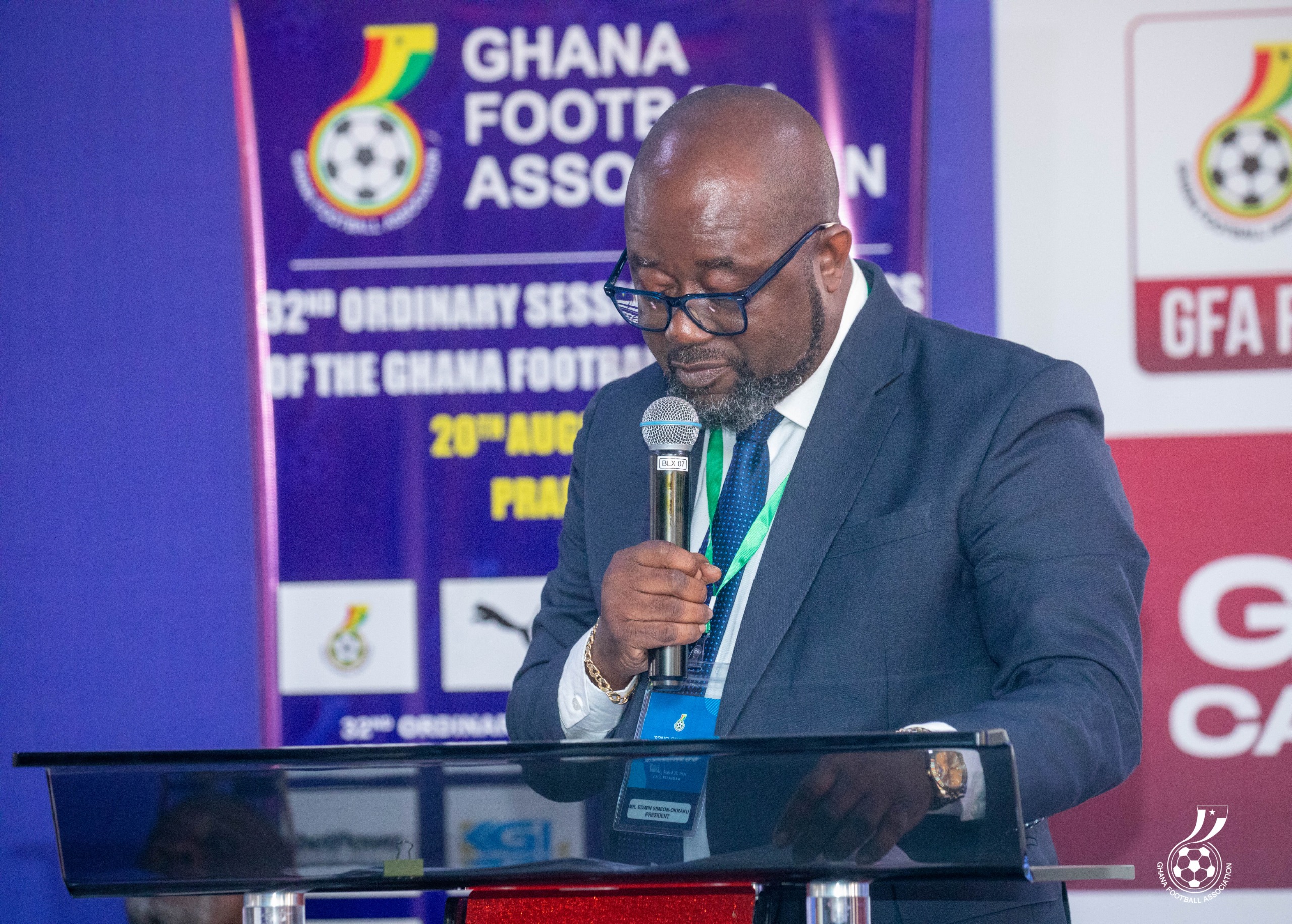
President Simeon-Okraku began by highlighting governance as one of the pillars upon which the Association's recent progress has been built.
“Over the past twelve months, we have remained steadfast in our commitment to the principles of good governance, transparency, accountability, and institutional integrity,” he told Congress.
“These values have not merely guided our administration; they have become the foundation upon which we continue to build a stronger, more credible, and more respected Ghana Football Association.”
According to the GFA President, the Football Association's governance reforms have strengthened its standing with both the Confederation of African Football (CAF) and FIFA.
“I am pleased to report to this 32nd Congress that our unwavering dedication to these principles has earned the confidence and admiration of both the Confederation of African Football (CAF) and FIFA,” he said.
He, however, cautioned that institutional progress must be matched by a continuous commitment to improvement.
“While we take pride in how far we have come, we remain conscious that the journey towards excellence is continuous, demanding discipline, innovation, and collective resolve.”
He described the next twelve months as an opportunity to deepen reforms, consolidate gains and accelerate transformation across every level of Ghana football.
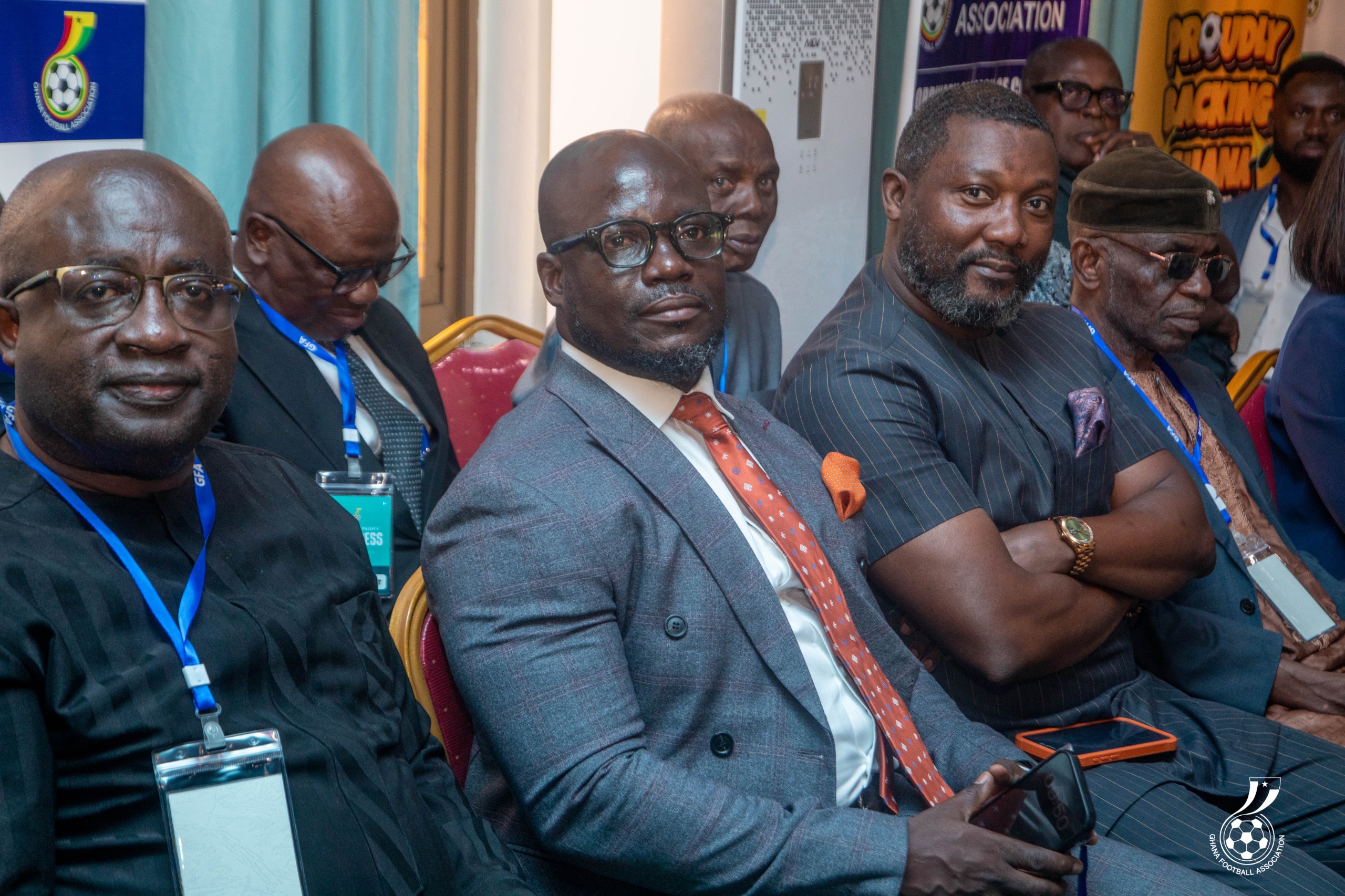
A component of the President's address was the state of domestic football.
He announced that the GFA had successfully organised all its domestic competitions for the seventh consecutive season, covering both regular-season and off-season competitions, without major disruptions.
“I am pleased to report that for the seventh consecutive season, the Football Association has successfully organised all our domestic football competitions — both regular-season and off-season — without any major disruptions,” President Simeon-Okraku said.
He attributed the achievement to the collective commitment of clubs, match officials, administrators, security agencies, sponsors, commercial partners and other stakeholders.
The GFA has also strengthened matchday protocols to improve safety, organisation and the overall experience for players, officials, supporters and commercial partners.
The President further pointed to the growing importance of television and digital broadcasting in increasing the reach and commercial appeal of Ghanaian football. During the 2025/26 Ghana Premier League season, 186 matches were produced and broadcast across multiple platforms, including 75 live broadcasts and 111 non-live telecasts, alongside extensive online streaming.
The Women's Premier League and Division One League also benefited from expanded media coverage, giving clubs, players, coaches and match officials greater visibility.
Through its partnership with AFA TV, 77 matches were produced and broadcast during the season, comprising 71 live Division One League matches and six live Women's Premier League matches from the second round.
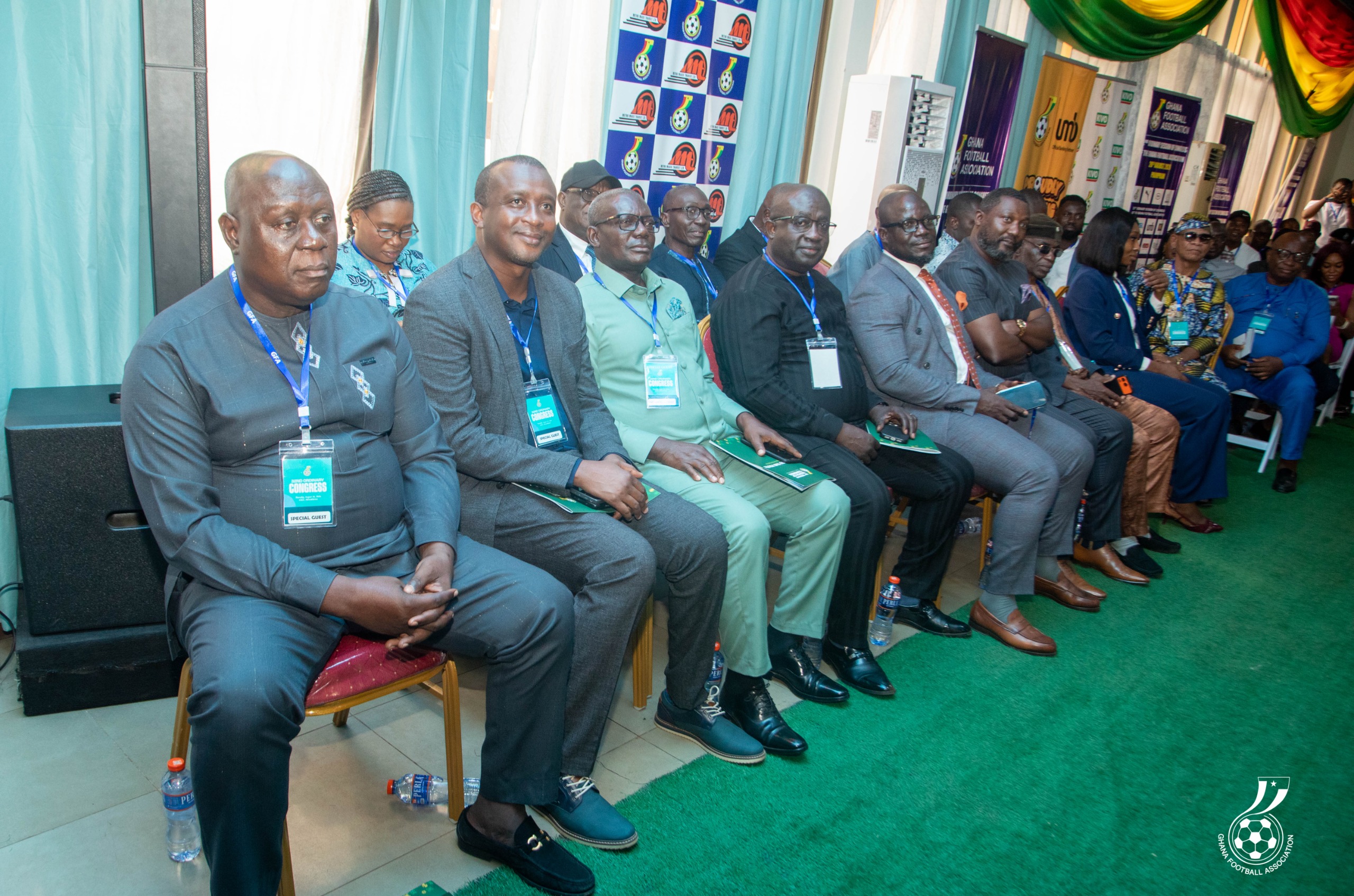
The President detailed an unprecedented level of financial investment in Ghana's domestic game.
“One of the defining milestones of the period under review has been the unprecedented level of financial investment made in our domestic game,” he said.
Through the GFA's landmark partnership with Adesa Productions Limited, each of the 18 Ghana Premier League clubs received GHS 1 million before the start of the 2025/26 season.
The intervention, he said, was designed to improve the financial stability of clubs and create stronger foundations for sustainable growth and competitiveness.
The GFA has also increased its rewards for sporting excellence.
The 2025/26 Ghana Premier League champions are set to receive a record GHS 2 million, with the runners-up receiving GHS 1 million, the third-placed club GHS 800,000, and the fourth-placed club GHS 750,000.
The expanded financial commitments represent a significant shift in the Association's approach to incentivising excellence while strengthening the economic foundations of domestic football.
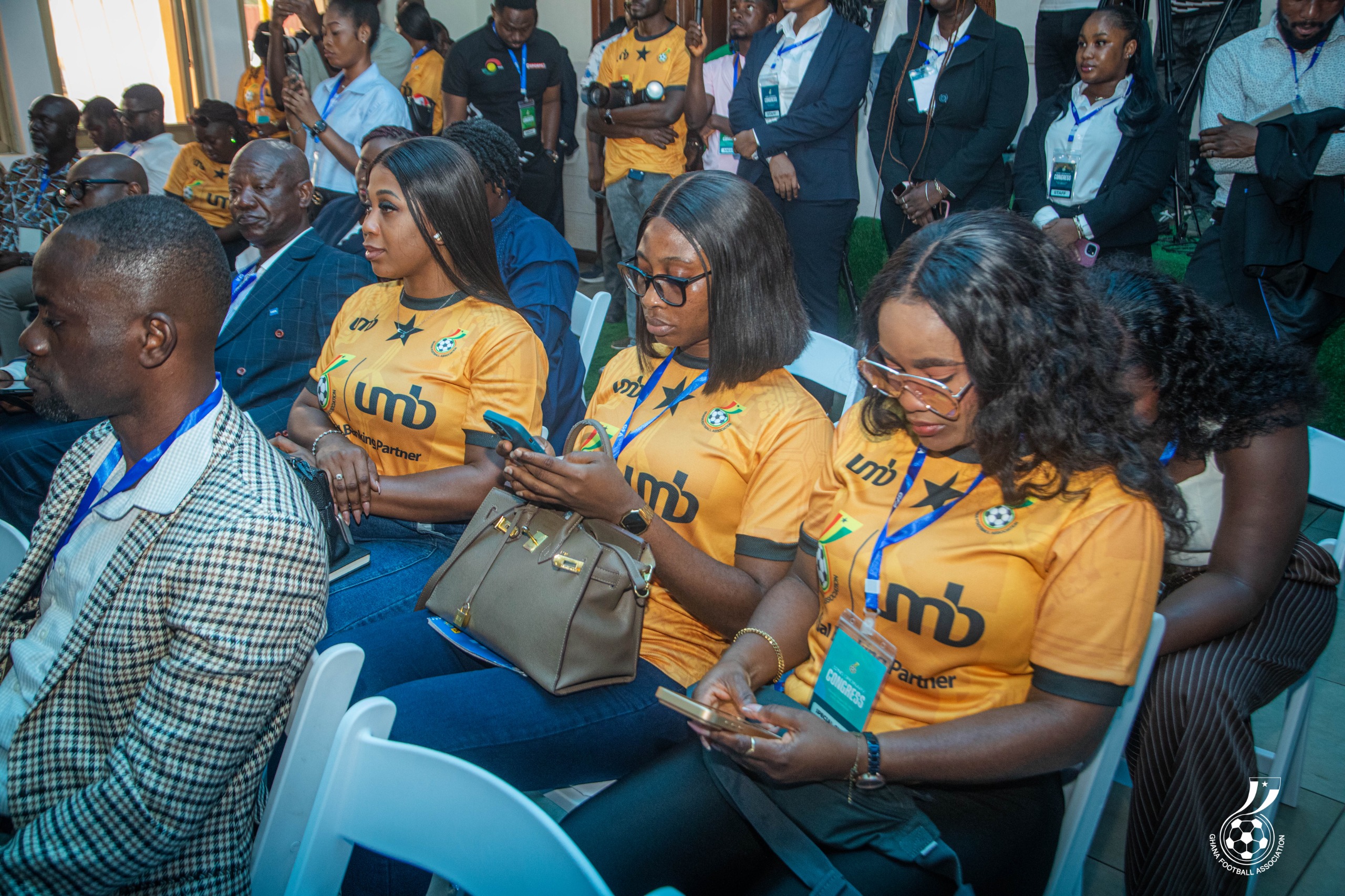
President Simeon-Okraku also highlighted the growing involvement of Corporate Ghana, describing the development as a strong vote of confidence in the Football Association's direction.
“Corporate Ghana continues to demonstrate unwavering confidence in our vision for the development of domestic football,” he said.
He announced a number of major partnerships across different segments of the game.
Kivo Ghana, together with JLAB, will serve as joint title sponsors of the revived U-17 Boys Inter-Clubs Colts Championship under a three-year partnership.
In women's football, Gold Fields Ghana has become headline sponsor of the Women's Premier League for two years, while KFC has joined as the competition's Official Meal Sponsor.
At the Division One level, XI Energy Drink has signed a four-year agreement as headline sponsor of the Division One League Super Cup.
The partnerships, the President said, demonstrate the growing commercial attractiveness of Ghana football and create opportunities to invest across the football pyramid rather than concentrating resources only at the top.
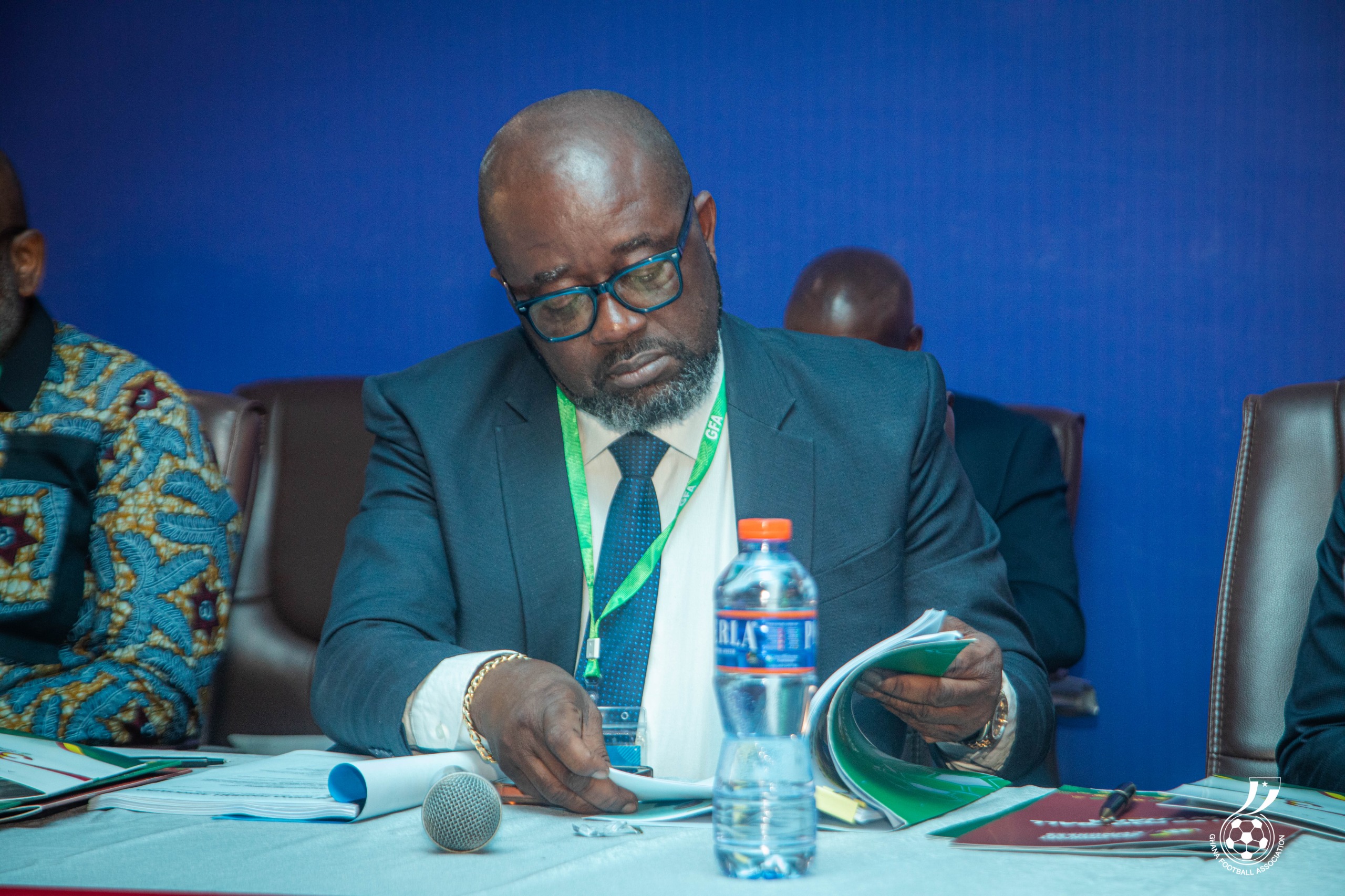
One of the most ambitious grassroots initiatives announced at Congress is the Triple Ball Development Policy, also known as the “One Player, Three Football Policy.”
President Simeon-Okraku described the initiative as a transformative intervention built around a simple principle: every footballer's development begins with access to a football.
“Every footballer's journey begins with a ball,” he said.
Under the policy, every registered player in the Ghana Premier League, Division One League, women's football, regional leagues and Colts football will have access to three quality footballs each season over a four-year period, delivered through their clubs.
The objective is to encourage continuous individual practice, improve technical quality and accelerate player development from the grassroots to the elite level.
“I am particularly encouraged by the overwhelming support this policy has received from a broad coalition of Members of Parliament, corporate institutions and the diplomatic community,” the President added.
The GFA's investment in technology and media infrastructure also featured prominently in the address.
The FA will provide VEO cameras to all 18 Ghana Premier League clubs, 20 Women's Premier League clubs, 48 Division One League clubs and the 10 Regional Football Associations.
The GFA will also provide laptop computers to Ghana Premier League, Women's Premier League and Division One clubs, as well as the Regional Football Associations.
Professional still cameras will similarly be supplied to clubs across the three major domestic competitions.
The initiative is aimed at strengthening club media operations, digital administration, technical analysis, information technology and the overall professional presentation of Ghana football.
President Simeon-Okraku also provided an update on the CAF Motsepe Foundation Legacy Programme, through which Ghana accumulated US$1.71 million in prize money following the outstanding performances of the country's Boys' and Girls' U-15 school teams at the CAF African Schools Football Championship.
He said the Football Association is working with CAF to transform the funds into sustainable football, education and community infrastructure. Three major projects have been identified.
The first is a US$690,000 artificial football pitch at Police Depot Basic School in Tesano, Accra. Following a site inspection by the CAF-appointed consultant, the project is at the final approval stage, pending the submission of the required land documentation by the Ghana Police Service.
The second project is the construction of two modern dormitory facilities at Bolgatanga Senior High School, estimated at US$330,000. The project is intended to improve accommodation for young footballers while strengthening school football development in northern Ghana.
The third is a US$690,000 artificial football pitch at the Ghanaman Soccer Centre of Excellence in Prampram, further strengthening Ghana's national technical infrastructure.
Together, the three projects account for the full US$1.71 million legacy investment.
“This is how we intend to transform success on the field into sustainable development off the field - building not only champions, but a stronger foundation for Ghana football,” the President said.
In one of the most forward-looking announcements of the Congress, the GFA revealed plans to establish GFA TV and GFA Radio on free-to-air platforms through strategic partnerships with existing broadcast media organisations.
President Simeon-Okraku said the initiative is part of the Association's long-term ambition to take greater ownership of the Ghana football narrative.
“As part of our long-term vision to own, shape and amplify the Ghana football narrative, the Football Association will establish GFA TV and GFA Radio on free-to-air platforms through strategic partnerships with existing broadcast media organisations,” he said.
The platforms are expected to carry original programming, live content, documentaries, interviews, features and exclusive football coverage.
The long-term ambition, according to the President, is for the GFA to ultimately own its own radio and television network.
Supporting clubs, RFAs and wider football ecosystem
The President's address also touched on a broad range of measures designed to strengthen football beyond the headline competitions.
These include continued support for the Division One League and Women's Premier League, assistance to clubs and Regional Football Associations, vehicle support, player welfare initiatives through the GFA Foundation, the transformation of the GFA's IT department and renewed support for Colts football.
He also outlined the FA's Power to the Youth policy, club licensing reforms, women's football strategy, diaspora strategy and measures to strengthen refereeing.
Plans to introduce a Fan Transport Programme were also highlighted as part of broader efforts to improve matchday experiences and address supporter-related challenges, including hooliganism.
The President further stressed the importance of strengthening the relationship between the GFA and Government in pursuit of the broader development of the sport.
The President also provided an overview of the state of the GFA Academicals, comprising the three GFA Elite Academies in Accra, Kumasi and Bolgatanga.
The academies remain an important component of the Association's player development strategy, providing a structured pathway through which young talents can receive technical, educational and developmental support.
Their continued development is closely aligned with the GFA's broader ambition of creating sustainable pathways for young Ghanaian players to progress into professional and national team football.
Beyond the individual initiatives and financial figures, the central message from the GFA President's address was that Ghana football is entering a phase in which investment, governance, commercial growth, technology and player development must work together.
From domestic competitions and club financing to grassroots football, women's football, infrastructure and media ownership, the Football Association is seeking to build an ecosystem in which success is not measured solely by trophies but also by the strength of the institutions supporting the game.
The President's speech also reflected an ambition to make Ghana football more visible and commercially attractive while ensuring that investment reaches every level of the football pyramid.
The 32nd Congress seeks to consolidate institutional reforms, increase investment in domestic football, strengthen clubs and competitions, expand opportunities for young players and create new commercial and media platforms capable of carrying Ghana football into its next era.
As President Simeon-Okraku reminded Congress, the journey remains unfinished.
“The next twelve months present us with an important opportunity to build on this momentum. It is a time to deepen the reforms we have begun, consolidate the gains we have made, and accelerate our efforts to transform every facet of our game.”
The 32nd Congress brought together the custodians of Ghana football at a significant moment — one in which the FA's stated ambition is clear: invest in the domestic game today to create a stronger, more competitive and more sustainable future for Ghana football.
GFA Communications